

Understanding Luck in Casino Games
Luck plays a pivotal role in the dynamics of casino games, often acting as the primary determinant of outcomes in games of chance. Games such as slots, roulette, and dice games predominantly rely on random number generation or physical chance, which makes luck the leading factor for players hoping to win. When a player pulls the lever of a slot machine or places a bet on red in roulette, the outcome is purely dictated by luck, leaving no room for strategy or skill to influence results. Additionally, many players are drawn to platforms offering an instant payout casino experience, which enhances the excitement of these games further. This randomness is what makes such games both exciting and unpredictable, drawing players into the allure of potential wins.
The concept of luck can be both alluring and frustrating for players. While some may experience a streak of good fortune that leads to substantial winnings, others may find themselves repeatedly losing despite their best efforts. This unpredictability is what makes casino games thrilling yet perilous, as it can lead to significant financial loss for those who chase their luck without understanding its transient nature. Moreover, the illusion of control can sometimes mislead players into believing that they can influence luck through rituals or superstitions, such as wearing lucky charms or following specific routines.
Despite the seemingly capricious nature of luck, it is crucial to understand that it is an integral part of the casino experience. Players often share tales of lucky wins that enhance the allure of gaming establishments, and these narratives can drive more visitors through the doors. Yet, it’s essential to remember that while luck may determine individual game outcomes, it cannot be controlled or relied upon for long-term success in the casino environment. The transient nature of luck reminds players that success is often fleeting, making the pursuit of a winning streak both exhilarating and dangerous.
The Role of Skill in Strategic Games
Contrasting the role of luck, skill becomes increasingly significant in strategic games like poker, blackjack, and baccarat. In these games, players can utilize their knowledge and skills to make informed decisions that can influence the outcome. Mastery of strategies, understanding probabilities, and psychological tactics can give skilled players an advantage over their less experienced counterparts. For instance, a poker player who can read their opponents and bluff effectively can tilt the odds in their favor, showcasing the importance of skill in achieving success. This strategic thinking transforms the game from mere chance into a competitive arena where knowledge is power.
Skillful players often engage in extensive practice, studying strategies and analyzing past games to improve their understanding and approach. This preparation can significantly affect their performance and results. For example, a seasoned blackjack player who employs card counting techniques can reduce the house edge and increase their chances of winning. Such strategies require not just knowledge but also the discipline to execute them consistently, exemplifying how skill can impact outcomes in the long run. This dedication to honing one’s skills can set serious players apart from casual gamblers, as they approach the game with a tactical mindset.
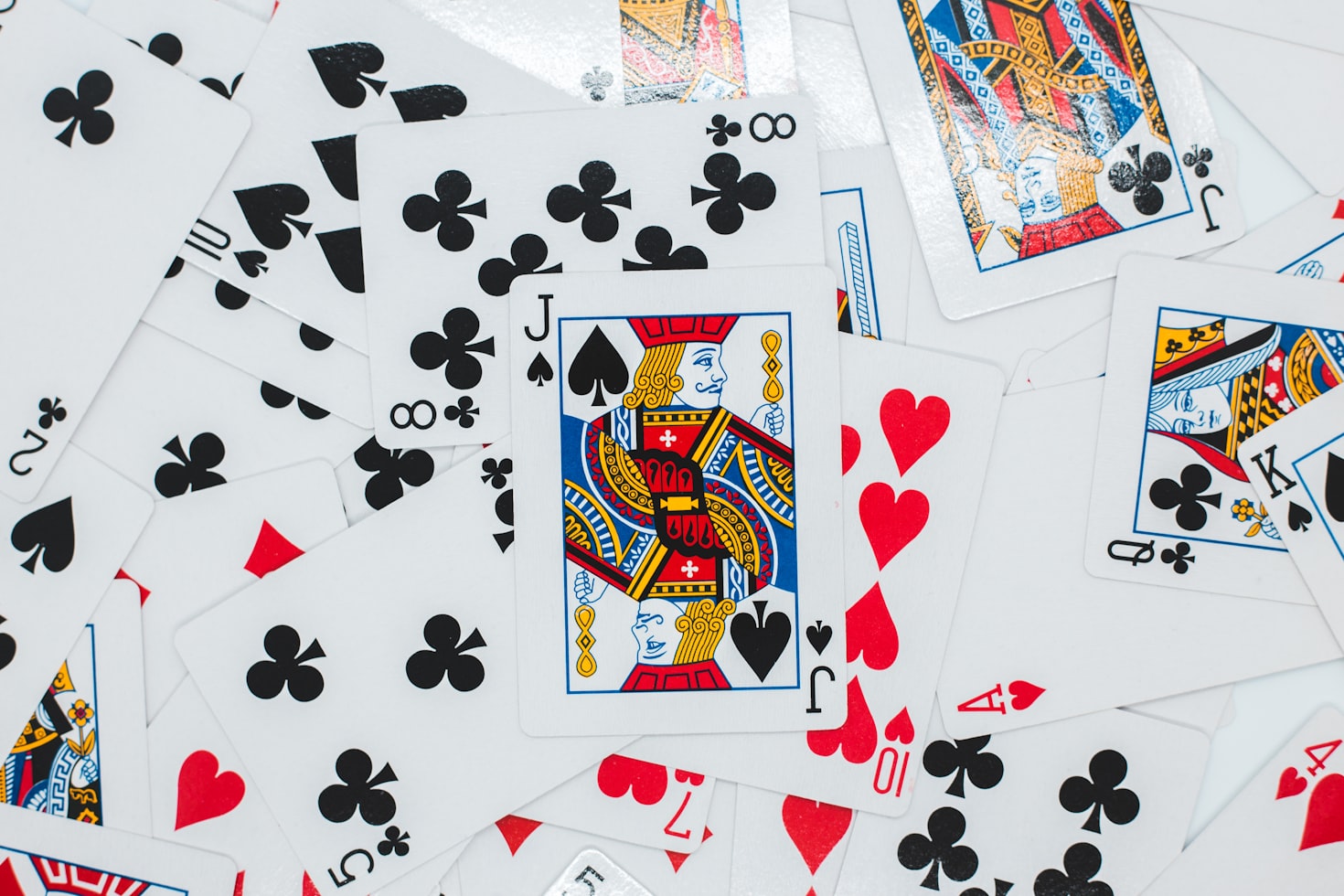
However, the reliance on skill varies from game to game. While poker is predominantly a game of skill, even the most skilled players cannot completely eliminate the element of luck—bad beats and unforeseen circumstances can alter the game’s course. This blend of skill and luck creates a dynamic environment where outcomes can be unpredictable yet strategically navigable for those with the right aptitude. Ultimately, the interplay between luck and skill highlights that while preparation is vital, the unpredictable nature of luck can still sway the results in unexpected directions.
Balancing Luck and Skill for Success
The balance between luck and skill plays a crucial role in the overall success of a player in a casino setting. For many, a well-rounded approach that embraces both elements can lead to a more fulfilling experience. Players who recognize that luck can fluctuate while also honing their skills are better positioned for long-term engagement in the casino landscape. Understanding when to rely on skill and when to accept luck’s constraints is part of developing a successful gambling strategy. This awareness allows players to be more adaptable and resilient in the face of varying outcomes.
Moreover, players should consider that the different games available at casinos have varying degrees of reliance on luck versus skill. Casual players who enjoy games of chance may be more comfortable embracing luck, while serious competitors in strategic games might focus on enhancing their expertise. This acknowledgment not only fosters personal growth as a player but also promotes responsible gaming, as individuals become more aware of their strengths and limitations. By balancing both elements, players can create a more enjoyable and sustainable gaming experience.
In addition, the social aspect of gambling cannot be overlooked. Many players enjoy the thrill of the game primarily for its entertainment value rather than the outcome alone. This perspective allows players to appreciate the experience without becoming overly fixated on winning. Whether relying on luck or skill, the enjoyment derived from casino games can often transcend financial considerations, leading to memorable experiences with friends and fellow gamblers alike. Engaging in games with a light-hearted attitude can contribute to a more enjoyable experience, regardless of the outcomes.
Understanding the House Advantage
In evaluating the role of luck versus skill, it is also essential to consider the house advantage that casinos maintain in their games. This built-in edge ensures that, over time, the casino will profit from the games offered, regardless of the players’ luck or skill levels. For instance, in games like slots, the house edge can be quite significant, making it challenging for players to achieve long-term success, regardless of their skill level. Players must recognize that while short-term wins can occur, the house advantage ultimately means that the odds are stacked in favor of the casino.

Furthermore, understanding the house advantage can help players make informed decisions when choosing which games to play. Games with a lower house edge, such as blackjack or baccarat, offer a more favorable environment for skillful players looking to maximize their chances of winning. In contrast, players engaging in games with higher edges, like certain slot machines, must be acutely aware that their success will largely hinge on luck rather than any strategic thinking. This knowledge empowers players to make choices that align with their gaming styles and risk tolerance.
Ultimately, acknowledging the house advantage is vital for setting realistic expectations when gambling. While some may strike it rich in a single session, the odds will invariably catch up with players over time. By understanding how this advantage operates, players can approach their gaming experience with a more balanced perspective on luck and skill, thereby enhancing their overall enjoyment of the casino atmosphere. This balanced approach not only fosters a more enjoyable experience but also promotes responsible gambling practices, as players remain aware of the odds and their potential impact on outcomes.
Explore the Casino Landscape
As players navigate the intricate world of casinos, it becomes evident that both luck and skill are integral to the overall experience. Understanding the interplay between these elements can significantly impact a player’s approach, decision-making, and ultimately, their enjoyment of gaming. Whether one is drawn to the thrill of chance or the strategy of skill-based games, recognizing how these factors contribute to success can lead to a more fulfilling experience in casinos. Exploring various games and strategies enriches the overall gaming adventure.
Moreover, every casino offers a unique landscape, rich with various games, atmospheres, and communities. Players should take the opportunity to explore different environments and find what resonates with their preferences, whether it be the vibrant ambiance of a bustling floor or the quiet intensity of a poker table. This exploration not only broadens one’s understanding of games but also allows for a deeper appreciation of the blend of luck and skill that defines the casino experience. Each visit to a casino can be an opportunity for discovery and enjoyment.
In conclusion, as you delve into the world of casinos, consider the essential role of both luck and skill. Embrace the unpredictable nature of gaming while also striving to enhance your strategic understanding. By doing so, players can cultivate a richer relationship with casinos, allowing them to enjoy every spin, shuffle, and deal to the fullest, creating lasting memories and experiences in the vibrant world of gambling. The journey through the casino landscape is as significant as the outcomes of individual games, highlighting the importance of both enjoyment and strategy.


